



Advanced Spline Rolling Technology
Advanced Spline Rolling Technology and the Future of Gear Manufacturing
🔑 Key Points
- Spline rolling technology combines precise geometry with advanced process control.
- Rolling creates complex profiles through controlled plastic deformation.
- Geometry, material, tooling and process parameters must be analysed as one complete manufacturing system.
- Technical exchange and dedicated industry platforms support the evolution of modern gear manufacturing.
The gear manufacturing industry is evolving rapidly. Manufacturers must now meet increasingly demanding requirements for precision, productivity, component performance and process reliability.
In this changing industrial landscape, spline rolling technology is becoming increasingly important for the production of shafts, splines and high-performance transmission components.
Unlike conventional machining processes, spline rolling forms the required profile through controlled plastic deformation. As a result, manufacturers can improve material utilisation, reduce production times and achieve consistent component quality.
EVIRT ITALIA recently shared its experience with the Gear Technology India team. The discussion focused on the evolution of gear manufacturing, the importance of process control and the role of specialised industry platforms in supporting technical development.
Precision and Control in Spline Rolling Technology
Spline rolling is not simply a method for creating a profile. The final quality of a rolled component depends on the interaction between component geometry, material behaviour, tooling configuration and machine control.
During the process, the material is displaced rather than removed. This controlled deformation creates the required spline geometry while preserving material and supporting efficient production.
However, good results do not depend only on the forming force of the machine. Manufacturers must also control tool position, process speed, material flow and component alignment.
Therefore, a successful application requires a complete understanding of the component and its production conditions. When these elements are correctly balanced, the process can deliver stable dimensions, repeatable quality and reliable component performance.
Spline Rolling as an Integrated Manufacturing Process
Every Variable Influences the Final Component
Defining the correct rolling process window requires the simultaneous evaluation of several technical and production variables. Each parameter can influence material flow, profile accuracy and process stability.
- Component geometry and dimensions
- Material characteristics and ductility
- Heat treatment conditions
- Tool profile and configuration
- Rolling force and process speed
- Required functional tolerances
- Production volumes and productivity targets
For example, a change in material hardness may require a different forming force or tool configuration. In the same way, tighter tolerances can require more precise control of machine movements and process parameters.
The objective is not simply to produce one correct component. Instead, the real goal is to develop a stable manufacturing process that maintains consistent quality throughout the entire production cycle.
EVIRT ITALIA’s Approach to Advanced Rolling Technology
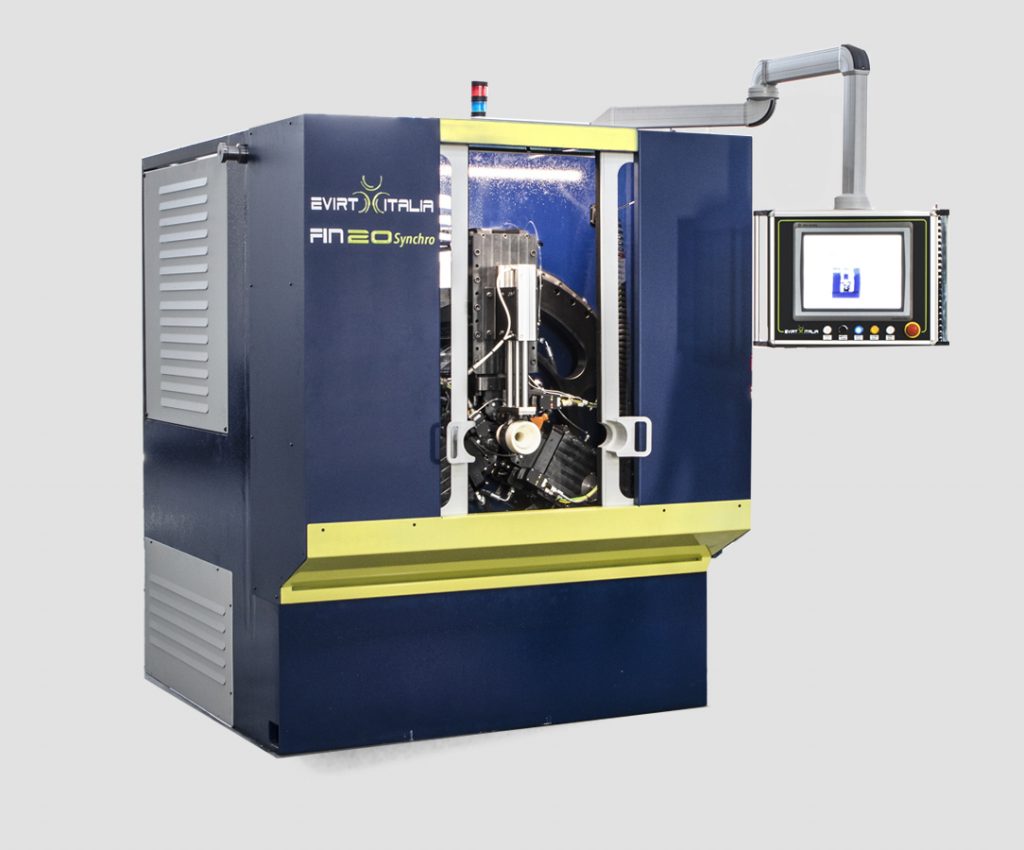
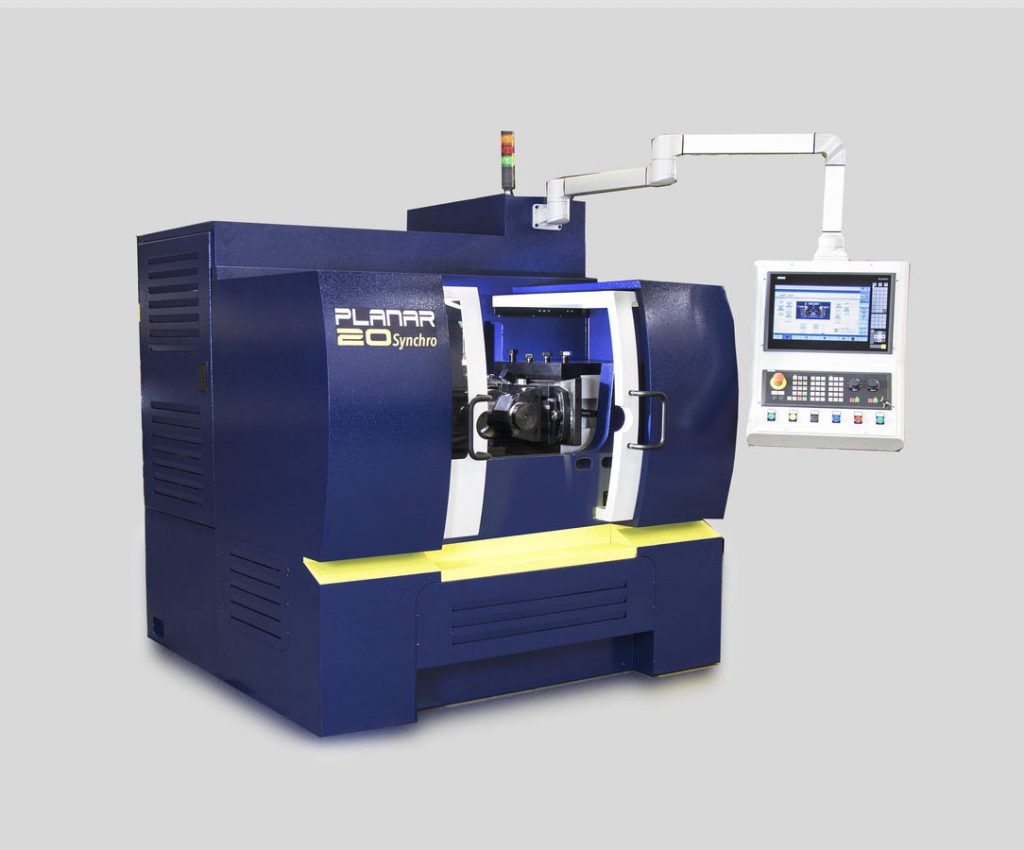
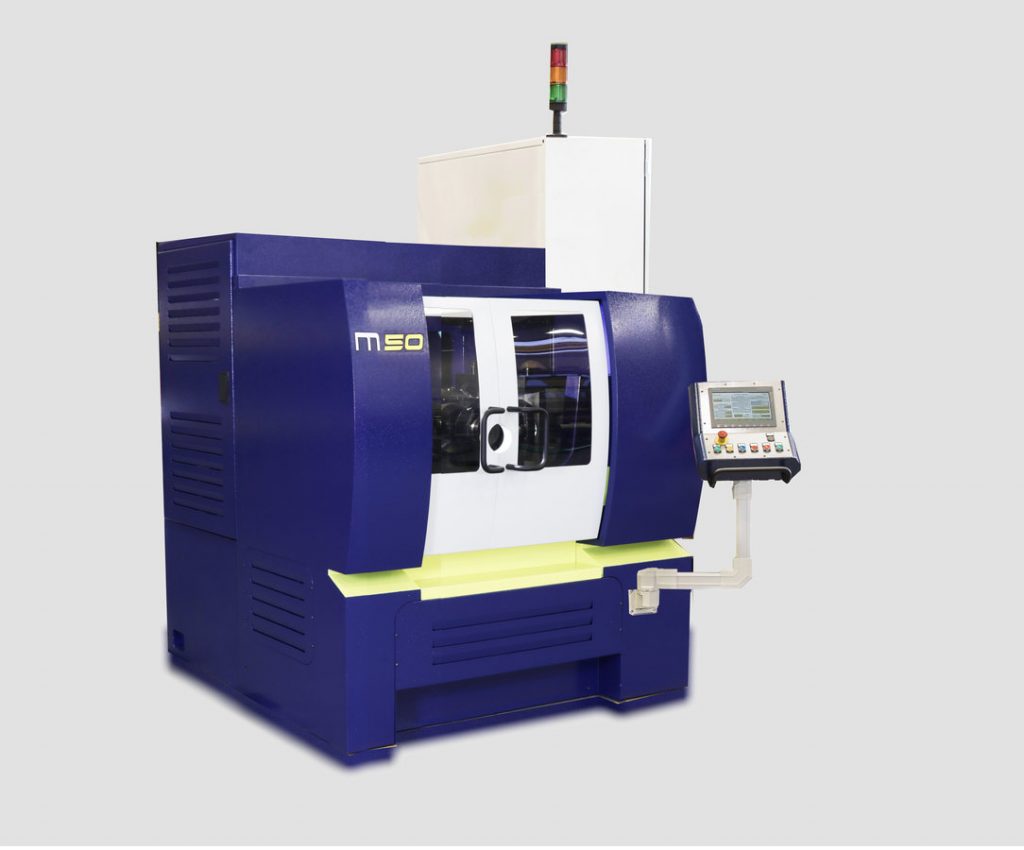
EVIRT ITALIA develops advanced thread and profile rolling machines for demanding industrial applications. Each solution is designed with particular attention to machine rigidity, forming force control and process repeatability.
However, the machine is only one part of the complete production system. Tooling, component design, material conditions and automation must also work together correctly.
Application Engineering at the Core of Every Project
Every rolling application presents different challenges. Component geometry, material properties, heat treatment, tolerances and production volumes all influence the final process configuration.
For this reason, the EVIRT ITALIA application engineering team works closely with customers from the earliest stages of each project.
Customer drawings, material specifications and production requirements are analysed before the machine configuration is defined. This preliminary evaluation helps identify potential process risks and supports more informed technical decisions.
- Component and technical drawing analysis
- Material and heat treatment evaluation
- Rolling process configuration
- Precision and productivity optimisation
- Machine integration into automated production lines
From Component Analysis to Process Validation
Once the main application parameters have been identified, the rolling process must be configured around the real production requirements of the customer.
The engineering team evaluates how the component will behave during forming. In particular, the analysis considers material displacement, tool engagement, required force and the possibility of unwanted deformation.
Process validation also helps determine whether the selected configuration can maintain the required tolerances over repeated production cycles.
Consequently, validation is not limited to checking the first acceptable part. It is used to establish a reliable process window that supports quality, productivity and long-term manufacturing stability.
A Conversation with Gear Technology India
During the discussion, Simone Farina, CEO of EVIRT ITALIA s.r.l., and Shishir Verma, Sales Director of Gear Technology India, shared their perspectives on the changing gear manufacturing landscape.
The conversation examined how manufacturers are responding to new requirements for precision, productivity and component performance. It also explored the growing importance of advanced forming technologies in modern transmission production.
In addition, the discussion highlighted the value of dedicated industry platforms. These platforms connect machine manufacturers, technology specialists and production companies while encouraging the exchange of practical experience.
This technical dialogue remains essential. By sharing knowledge, manufacturers and users can better understand emerging production requirements and develop more efficient manufacturing processes.
Why Process Control Defines the Future of Gear Manufacturing
The most competitive manufacturers will not necessarily be those operating the most powerful machines. Instead, they will be the companies capable of combining machine technology, material knowledge and precise process control.
In spline rolling, final component quality does not depend on a single setting. It results from the balance between the machine, tooling, component geometry, material behaviour and production parameters.
Moreover, stable process control helps reduce variation between components. This can support lower rejection rates, more predictable cycle times and more reliable production planning.
For this reason, the future of spline rolling technology will depend increasingly on integrated engineering. Machine performance must be supported by application analysis, accurate tooling and continuous control of the forming process.
Are You Developing a Spline Rolling Application?
Contact EVIRT ITALIA to discuss your component geometry, material, required tolerances and production targets with our application engineering team.
Our engineers can evaluate the technical requirements of your component and help define the most suitable rolling process for your production needs.
Talk to an Engineer